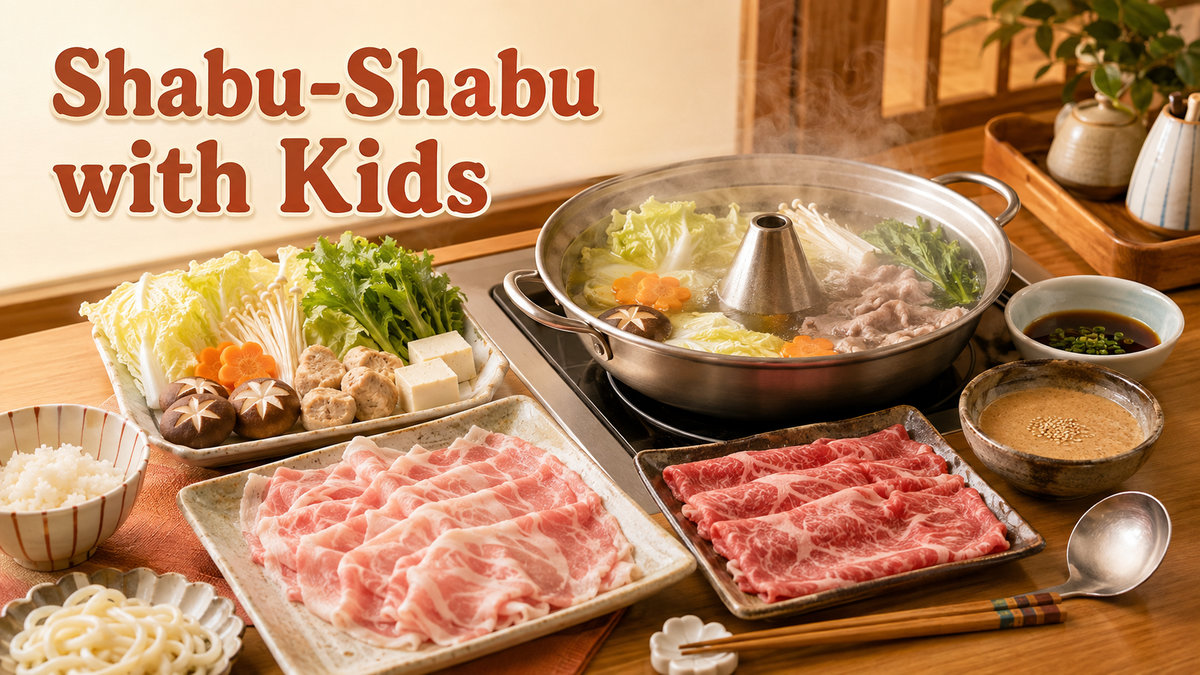
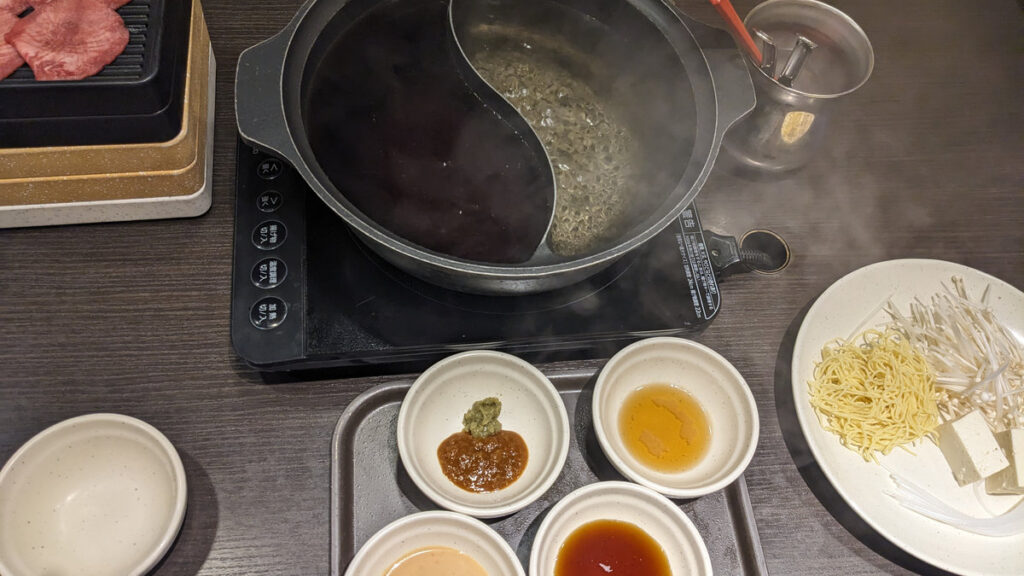
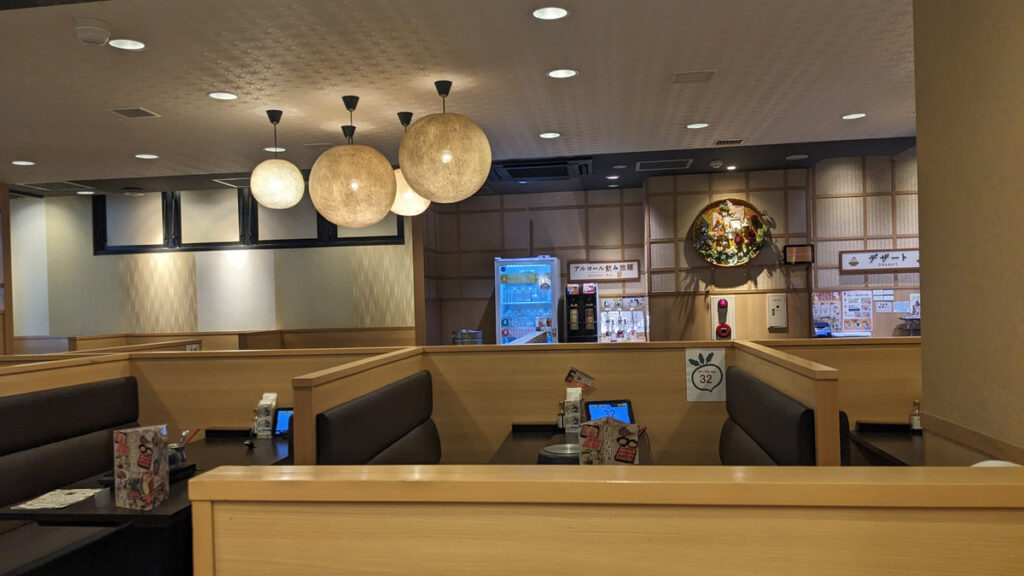
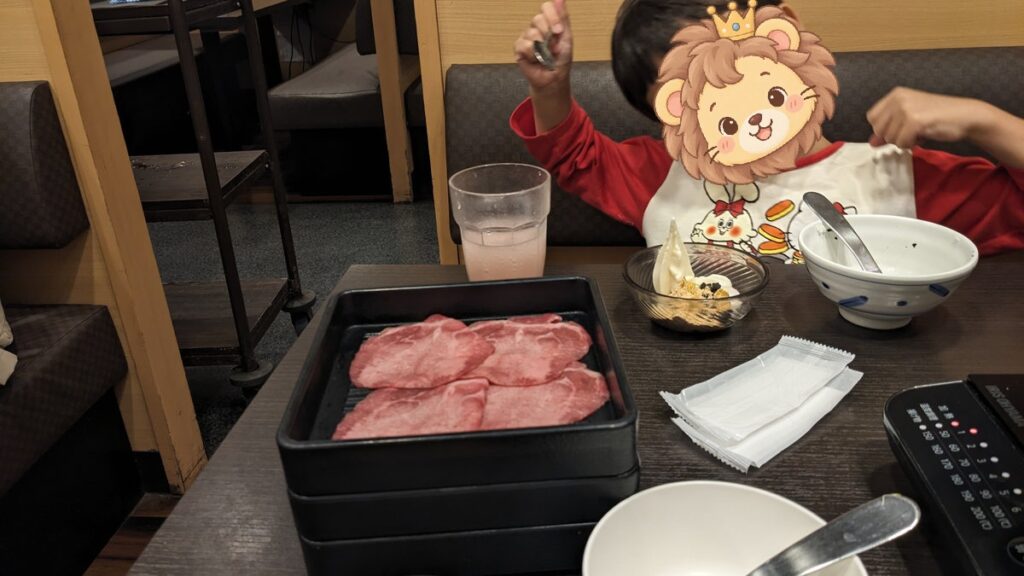
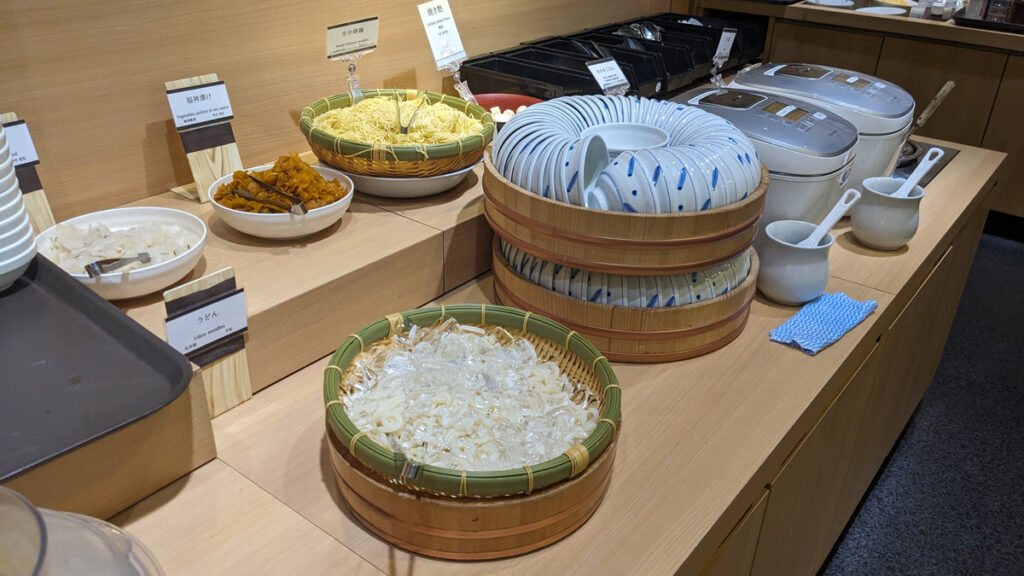
Ume-no-Hana is not a shabu-shabu specialty restaurant, but it offers shabu-shabu along with traditional tofu-based Japanese cuisine.
It is also known as a family-friendly restaurant with a calm atmosphere.
Shabu-Shabu Is a Great First Japanese Food Experience
For travelers trying Japanese food for the first time, shabu-shabu is one of the easiest choices.
Why?
The flavor is mild and not too strong
You can choose what ingredients you like
Children can enjoy cooking their own food
Everyone can eat at their own pace
For children, watching meat and vegetables cook right in front of them can feel like a fun activity rather than just a meal.
Tips for Enjoying Shabu-Shabu
Use separate chopsticks for raw meat
When adding raw meat to the hot pot, use the provided cooking chopsticks or dedicated utensils.
Do not use your personal eating chopsticks for raw meat.
Add rice or noodles at the end
After finishing the meat and vegetables, many Japanese people enjoy adding:
Rice
Udon noodles
to the remaining soup.
The broth becomes full of flavor and makes a delicious final dish.
Make reservations for popular restaurants
For restaurants such as Kisoji or Ume-no-Hana, reservations are recommended, especially:
Weekends
Holidays
Dinner time
Some restaurants may be fully booked if you visit without a reservation.
Be careful with children around the hot pot
The pot and cooking equipment are placed on the table, so young children should be supervised.
For families with toddlers, restaurants with larger tables or private rooms can make the experience more comfortable.
Final Thoughts
Shabu-shabu is more than just a meal — it is a fun Japanese dining experience.
Cooking your own food at the table, choosing your favorite ingredients, and sharing a hot pot together makes it a memorable activity for the whole family.
If you are looking for a Japanese meal that both adults and children can enjoy, shabu-shabu is definitely worth adding to your Tokyo travel itinerary.
When traveling in Japan with children, there are moments when parents simply want to sit down, relax, and take a break.
After walking around Tokyo all day, visiting theme parks, or exploring with a stroller, finding a comfortable place where children can relax can be challenging.
That is when Japanese karaoke becomes a surprisingly useful option.
Many international visitors imagine karaoke as a place where people sing on a stage or in a bar. However, Japanese karaoke is very different.
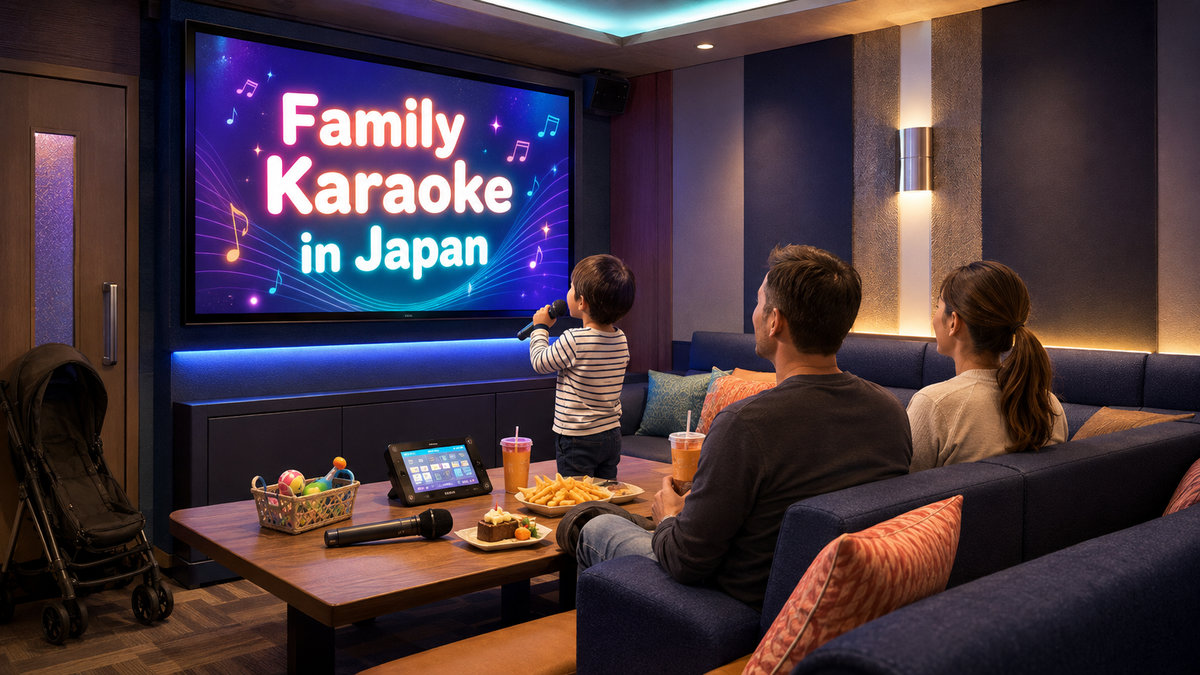
Most karaoke places in Japan are made up of private rooms, where families can enjoy food, drinks, and time together in their own space.
In fact, many Japanese families use karaoke not only for singing but also as a comfortable place to rest with children.
This guide explains why Japanese karaoke is a great option for families traveling with kids and how to enjoy this unique Japanese experience.
Japanese Karaoke Is a Private Family Room
In many countries, karaoke is often associated with public performances or bars.
In Japan, however, karaoke usually means renting a private room for your group.
This makes it very family-friendly.
Benefits include:
Children can make noise without worrying about other guests
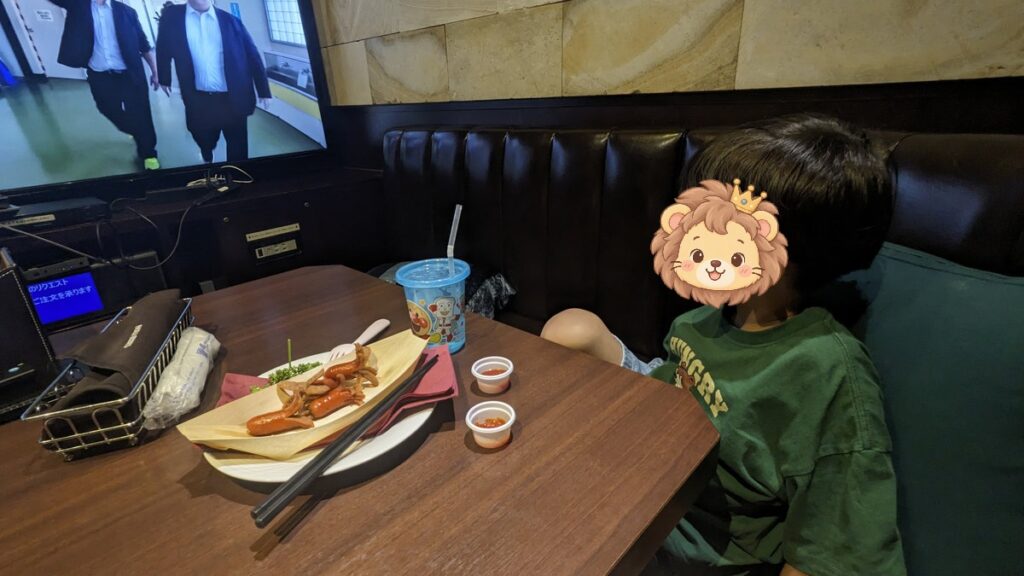
Families can eat comfortably inside the room
Many locations allow strollers inside the room
Air-conditioned rooms provide a comfortable break from the weather
Traveling with children can be tiring, especially when walking around all day.
A private karaoke room gives parents a chance to sit down and relax while children enjoy themselves.
You Don’t Have to Sing
One surprising thing for many visitors is that you do not have to sing at Japanese karaoke.
Using karaoke rooms without singing is actually quite common.
People use karaoke rooms for:
Lunch or dinner
A child’s nap time
Taking shelter from rain
Resting between sightseeing activities
Spending private family time
Restaurants and cafés can sometimes be difficult with young children, especially if they need to move around or take a break.
A karaoke room gives families their own private space, making it much less stressful.
Many Karaoke Shops Have Family-Friendly Facilities
Some Japanese karaoke chains offer facilities designed especially for families with children.
Depending on the location, you may find:
Kids’ rooms
Flat-floor rooms where you can remove your shoes
Children’s plates and utensils
Baby food allowed
Drink bars
Toys and cushions
One of the most family-friendly karaoke chains is Pasela Resorts.
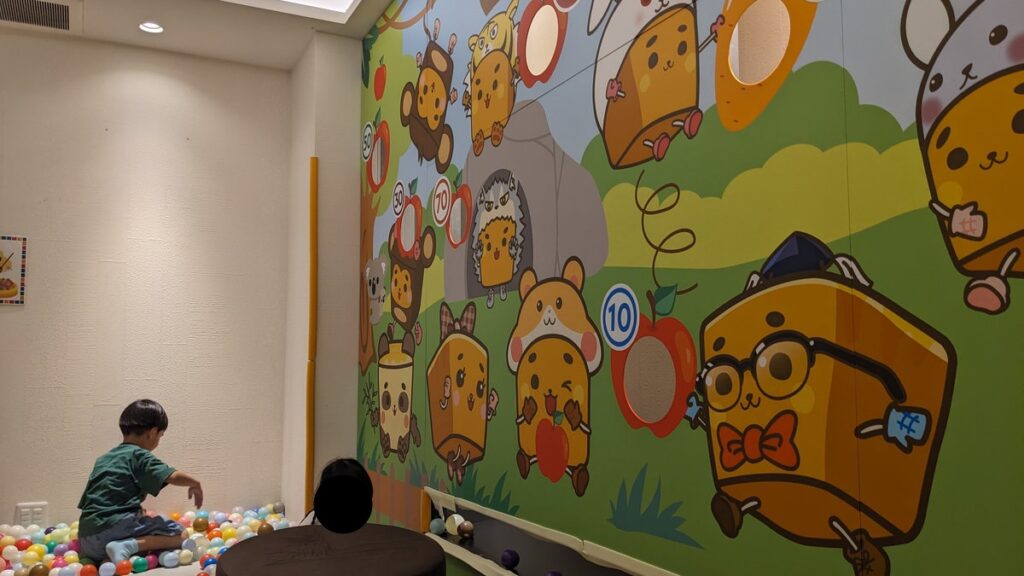
Some locations have rooms that feel almost like a small indoor playroom, with spaces where children can play while parents relax.
How Much Does Karaoke Cost in Japan?
Japanese karaoke usually charges by:
30-minute time periods
Free-time packages (unlimited use for several hours)
Prices are usually calculated per person.
Each karaoke chain has different rules, such as:
One drink purchase required
Drink bar included
Unlimited soft drinks
Prices are often much cheaper during weekday daytime hours, making karaoke a convenient and affordable rest spot during a family trip.
It is a private family space where you can eat, relax, and enjoy time together.
For families visiting Tokyo, it can be a convenient option on:
Hot summer days
Rainy days
Long sightseeing days
Moments when children need a break
Many karaoke shops are located near train stations in cities, making them easy to visit during your trip.
If you are visiting Japan with children, consider trying karaoke—not only as entertainment, but also as a unique and practical part of Japanese family culture.
If you’re planning a family trip to Tokyo or Tokyo Disney Resort, one attraction you shouldn’t miss is Kandu.
Kandu is an interactive indoor theme park where children can try real-life jobs such as pilot, firefighter, police officer, flight attendant, pastry chef, and many more while wearing realistic uniforms.
You may have heard of KidZania Tokyo, another popular job-experience park. Kandu offers a similar concept but in a more relaxed environment. The park is smaller, activity reservations can be made directly from your smartphone, and there are plenty of seats where parents can comfortably watch their children.
Since Kandu is completely indoors and located inside AEON MALL Makuhari New City, it’s also an excellent destination on rainy days or during Japan’s extremely hot summers. After your visit, you can enjoy shopping, restaurants, and cafés without leaving the building.
This guide explains everything international families need to know before visiting Kandu.
What Is Kandu?
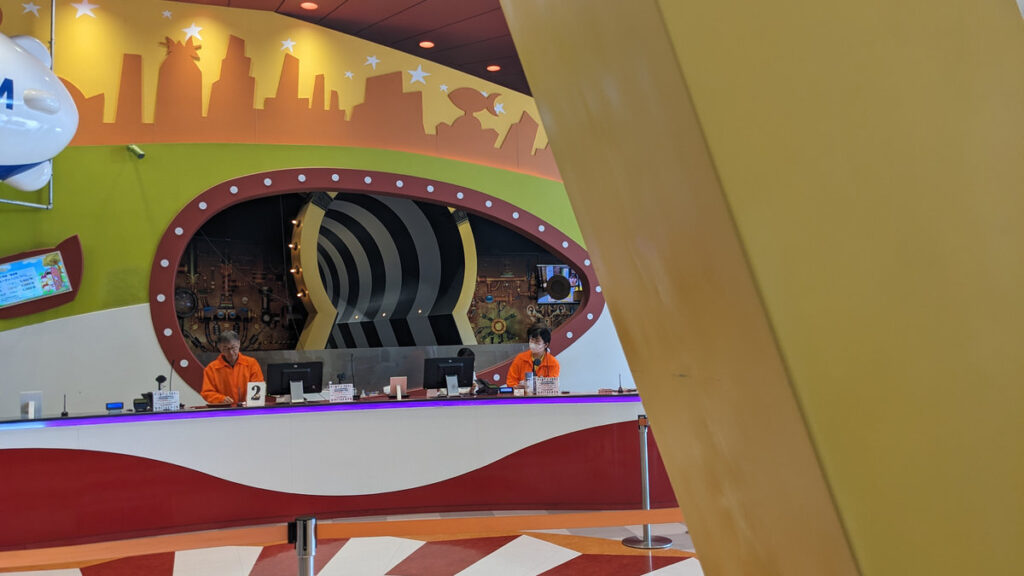
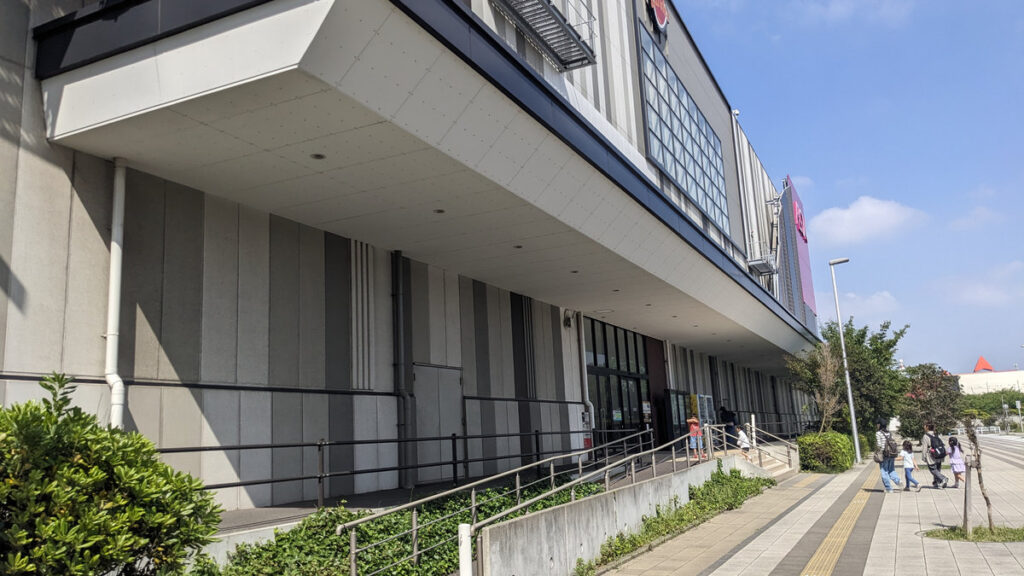
Kandu is an indoor children’s career experience park located inside AEON MALL Makuhari New City in Chiba, just outside Tokyo.
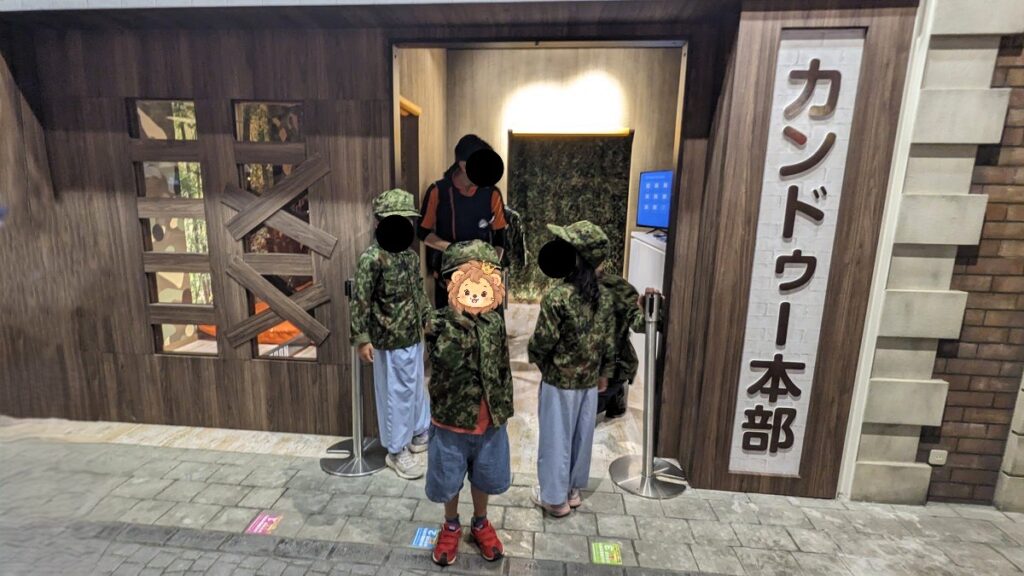
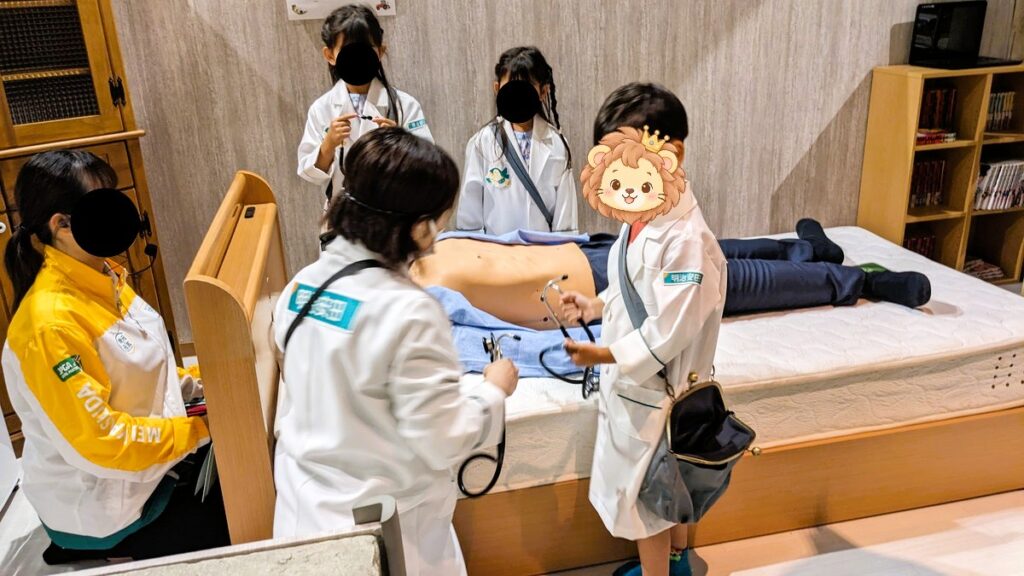
Children wear authentic uniforms and take on a variety of exciting professions.
Some of the most popular jobs include:
Pilot
Flight Attendant
Firefighter
Police Officer
Paramedic
Fashion Model
Ice Cream Shop Staff
Takoyaki Chef
Pastry Chef
Professional Gamer
Each activity is more than just role-playing.
After completing a job, children earn Kandu’s own currency called Kacchin, which they can spend on shopping or additional experiences inside the park.
It’s a fun way for kids to learn about work, responsibility, and money while having a great time.
Recommended Age
Kandu welcomes children aged 3 to 15 years old.
The best age range is generally:
4 to 10 years old
Elementary school children especially enjoy the activities because they can better understand each profession and participate independently.
Can Non-Japanese Speakers Enjoy Kandu?
Yes.
Most activities are conducted in Japanese, but many experiences are highly visual and easy to understand.
Children can enjoy:
Flying an airplane
Driving a fire truck
Wearing professional uniforms
Making pizza or sweets
…without speaking Japanese.
The staff are very experienced with international visitors and often use gestures and simple instructions to help children participate.
Another advantage is that the activity reservation system is available in English, making it easy for overseas visitors to book activities.
Ticket Prices
Ticket prices vary depending on the season and day of the week.
Regular Admission
Children (3–15 years): ¥3,250–¥4,500
Adults (16+): ¥2,000–¥2,500
Seniors (55+): ¥1,000
Children under 3: Free (cannot participate in activities)
Short Stay Pass (3:30 PM–6:00 PM)
Perfect if you’d like to experience Kandu for just a few hours.
Children: From ¥2,500
Adults: From ¥1,300
Seniors: From ¥800
Children under 3 enter free.
If you’d like to stay longer, extension fees are charged every 30 minutes:
Kandu is very popular on weekends, holidays, and during Japanese school vacations.
Advance booking is highly recommended and often essential.
Tickets include a designated entry time.
If there’s a specific activity your child really wants to try, choose one of the earliest admission times to maximize your chances of getting a reservation.
Even if you’re a little late, staff members are usually happy to help you enter after checking your ticket.
What Happens on the Day?
1. Enter at Your Reserved Time
Arrive before your scheduled entry time and join the correct queue.
Staff can help if you’re unsure where to line up.
After checking in, you’ll receive:
Your admission card
Kacchin (the in-park currency)
A QR code for activity reservations
2. Reserve Activities
Scan the QR code using your smartphone, register your child’s name, and reserve the activities you’d like to experience.
Because reservations are made digitally, parents don’t need to rush around the park as they often do at similar attractions.
3. Enjoy the Job Experience
When it’s time for your activity, head to the pavilion.
Staff will help your child change into the appropriate uniform before the experience begins.
Most activities last around 30–45 minutes.
4. Earn Kacchin
After finishing the activity, your child receives their salary in Kacchin.
Then it’s time to reserve or head to the next adventure.
Popular activities can fill quickly, so it’s a good idea to decide your child’s top choices before arriving.
How Much Time Do You Need?
Kandu operates in two separate sessions each day.
Morning Session
10:00 AM – 2:30 PM
Afternoon Session
3:30 PM – 8:00 PM
Guests are admitted at staggered times before each session.
The park operates on a complete turnover system, meaning all guests leave between sessions.
If you only want a shorter visit, the Short Stay Pass allows entry from 3:30 PM to 6:00 PM.
Food and Dining
Outside food is generally not allowed, except for:
Baby food
Infant formula
Drinks in bottles or containers with lids
Food and drinks can be ordered through your smartphone while inside Kandu.
You’ll receive a notification when your order is ready for pickup.
Since re-entry is not permitted, it’s best to eat inside the park between activities.
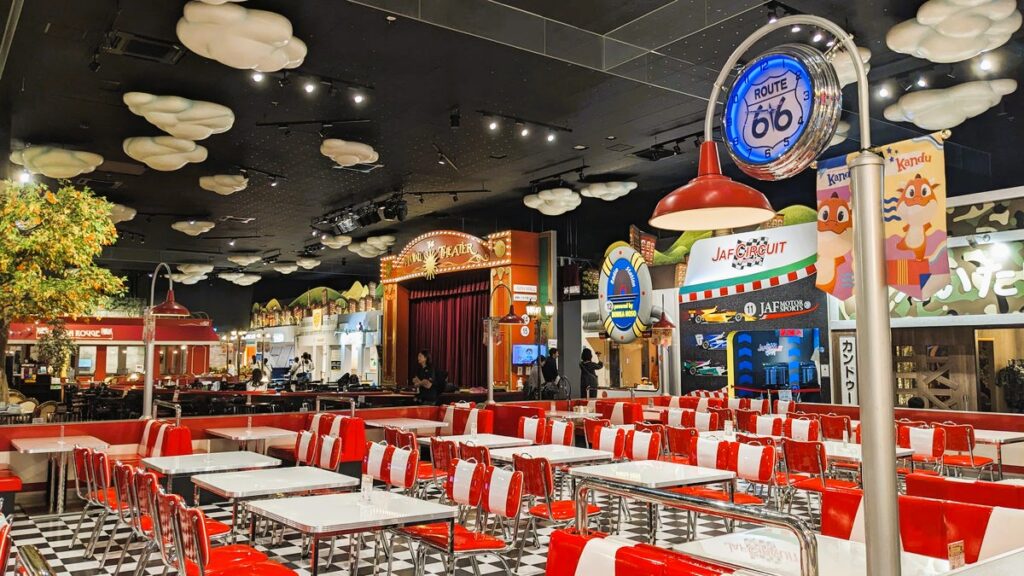
After your visit, you’ll find plenty of dining options throughout AEON MALL Makuhari New City, including:
Large food courts
Family restaurants
Cafés
What to Bring
We recommend bringing:
A refillable water bottle or bottled drink
Comfortable clothing
Socks (required for some activities)
A portable phone charger
A camera or smartphone
Children look adorable in their uniforms, so you’ll probably be taking lots of photos throughout the day.
Great for Rainy Days and Summer
Kandu is completely indoors, making it one of the best family attractions in the Tokyo area during:
Rainy days
Extremely hot summer days
Typhoon season
Japan’s summer heat can be intense, especially for young children.
Spending the hottest part of the day indoors makes your trip much more comfortable.
Another bonus is that Makuhari-Toyosuna Station is connected to the mall by covered walkways, so you can reach Kandu without getting soaked on rainy days.
Enjoy AEON MALL Makuhari New City Too
One of the biggest advantages of Kandu is its location inside one of Japan’s largest shopping malls.
The mall features:
Huge food courts
Hundreds of shops
100-yen stores
Supermarkets
Children’s play areas
Great places to buy souvenirs
If you’re planning a relaxing day during your trip, combining Kandu with the mall is an excellent choice.
Getting There
Location
Inside AEON MALL Makuhari New City
1-5 Toyosuna, Mihama-ku, Chiba
From Tokyo Station
Take the JR Keiyo Line to Makuhari-Toyosuna Station.
Travel time: approximately 35–40 minutes.
The station is only a 1-minute walk from the mall.
From Tokyo Disney Resort
Take the JR Keiyo Line.
Travel time: approximately 20–25 minutes.
Very easy with minimal transfers.
From Narita Airport
Airport Limousine Bus to Kaihin-Makuhari Station (about 45–60 minutes), then a local bus or taxi (around 10 minutes) to the mall.
From Haneda Airport
Airport Limousine Bus to Kaihin-Makuhari Station (about 60 minutes), followed by a local bus or taxi (around 10 minutes).
Planning to stay nearby? Compare our family-friendly hotels in Kaihin-Makuhari near Tokyo Disneyland.
Who Should Visit Kandu?
Kandu is especially recommended for families who:
Have children aged 3–10
Need a rainy-day activity
Want a unique Japanese family experience
Are spending several days around Tokyo Disney Resort
Are visiting Japan during the hot summer months
Final Thoughts
Kandu is much more than a playground—it’s an interactive learning experience where children can explore different careers, earn their own salary, and discover how the working world operates.
Located about 40 minutes from Tokyo Station and easily accessible from Tokyo Disney Resort, it’s a fantastic addition to any family itinerary. Its indoor setting, English-friendly reservation system, and convenient location inside AEON MALL Makuhari New City make it one of the best attractions for international visitors traveling with children.
If you’re looking for a fun, educational, and uniquely Japanese experience, Kandu deserves a place on your Tokyo travel itinerary.
Summer in Japan is full of exciting experiences, from colorful festivals to spectacular fireworks displays. However, one thing surprises many international visitors—the heat.
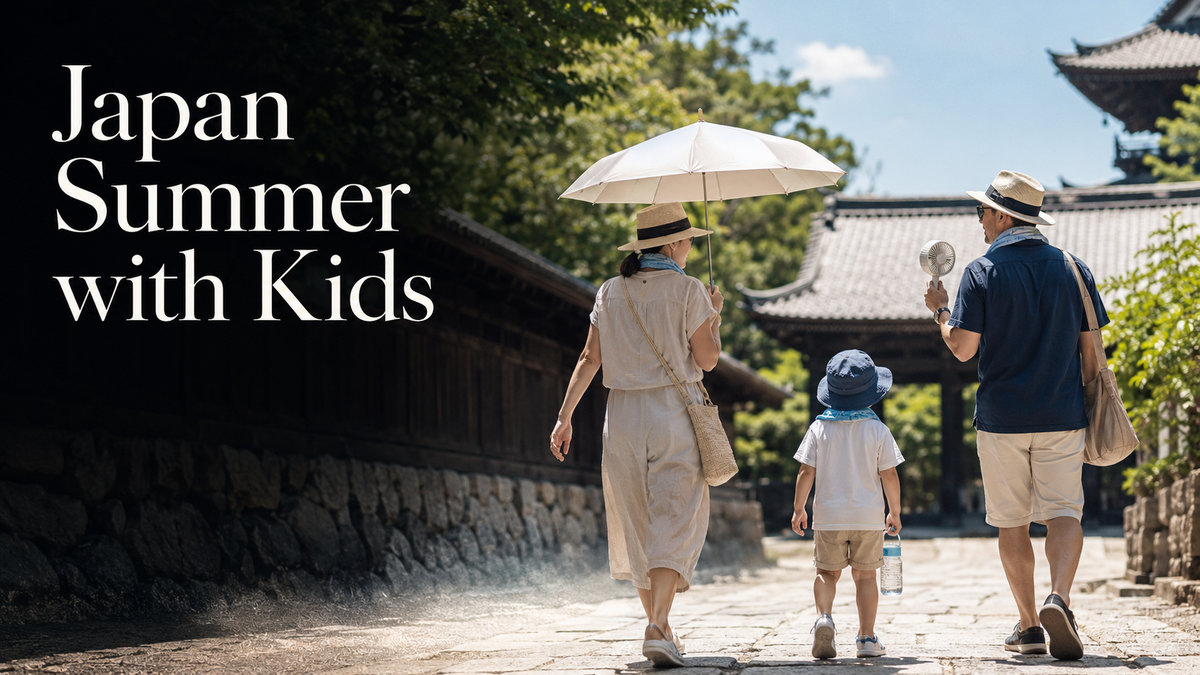
You might think, “30°C (86°F) doesn’t sound too bad,” but Japan’s summer is extremely hot and humid, making it feel much hotter than the temperature suggests. Young children are especially vulnerable to heat exhaustion and heatstroke, so preparing for the weather is essential.
As a parent raising a child in Japan, I rarely take my child to the park during the middle of a summer day because it’s simply too hot.
In this guide, I’ll share what families should know before traveling to Japan during the summer, including how local families stay safe, what to pack, and the best ways to enjoy your trip.
Japan’s Summer Is Hotter Than You Might Expect
Summer in Japan (July through September) is known for its high temperatures and high humidity.
In Tokyo, it’s common to experience:
Temperatures above 35°C (95°F)
Humidity levels of 70–90%
Tropical nights when temperatures stay close to 30°C (86°F) even after sunset
Because the humidity is so high, sweat doesn’t evaporate easily, making the heat feel much more intense than in dry climates.
Many visitors are surprised by how quickly they start sweating, even after walking for just a few minutes.
If you’re traveling with young children, keep in mind that they are closer to the ground, where temperatures are even hotter because of heat radiating from the pavement.
How Do Japanese Children Spend the Summer?
In many countries, summer vacation means spending the entire day outdoors.
In Japan, however, most families avoid outdoor activities during the hottest part of the day.
Instead, many spend time in air-conditioned places such as:
Shopping malls
Indoor playgrounds
Science museums
Aquariums
Libraries
Even preschools and daycare centers sometimes cancel outdoor play or swimming lessons when the WBGT (Wet Bulb Globe Temperature) reaches unsafe levels.
Another thing many visitors don’t expect is how hot playground equipment becomes. Metal slides, rubber flooring, and asphalt can become hot enough to cause burns. Children should avoid touching these surfaces with bare hands or sitting on them during the afternoon.
Rather than planning outdoor sightseeing all day, it’s much more comfortable to spend the hottest hours indoors.
The Best Daily Schedule for Summer Travel
Planning your day around the heat can make a huge difference.
Morning (7:00–10:00 AM)
This is the coolest part of the day—although it can still be quite hot.
If you’d like to visit places such as:
Parks
Shrines and temples
Asakusa
Outdoor sightseeing areas
try to do so early in the morning.
Midday (10:00 AM–4:00 PM)
This is usually the hottest part of the day.
It’s a good time to enjoy indoor attractions like:
Shopping malls
Aquariums
Museums
Indoor theme parks
Having lunch or shopping during these hours helps you avoid the strongest heat.
Evening
Even after sunset, Tokyo can remain very warm.
Evenings are perfect for:
Dinner
City views
Walking around illuminated areas
However, don’t expect it to feel cool just because it’s nighttime. Many summer evenings remain hot and humid.
Enjoy Japan’s Unique Summer Events
Despite the heat, summer is one of the most exciting seasons to visit Japan.
Fireworks Festivals (Hanabi)
Large fireworks festivals are held all across Japan during the summer.
Watching Japanese fireworks is an unforgettable experience, but popular events can become extremely crowded.
If you’re traveling with small children, consider watching from a little farther away. You’ll still enjoy the fireworks while avoiding the largest crowds.
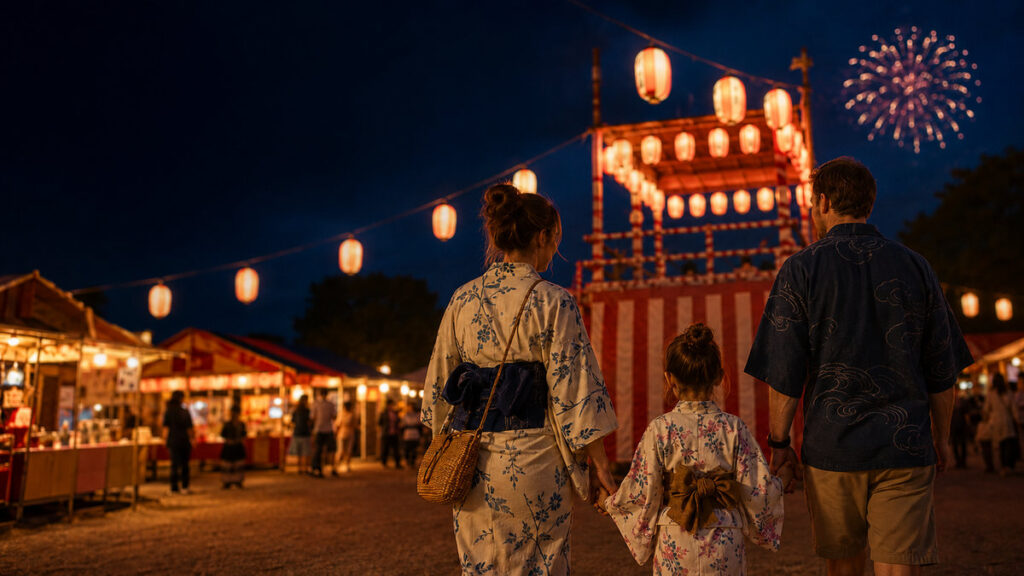
Summer Festivals (Matsuri)
Summer festivals are one of the best ways to experience Japanese culture.
You’ll find food stalls selling favorites such as:
Takoyaki (octopus balls)
Yakisoba (fried noodles)
Kakigori (shaved ice)
Goldfish scooping
Water balloon games
Many festivals welcome international visitors, making them a fun cultural experience for the whole family.
One important tip: many food stalls only accept cash, so be sure to carry some Japanese yen if you plan to visit a festival.
Bon Odori Dance Festivals
Many neighborhoods also hold Bon Odori, traditional community dance festivals.
Anyone is welcome to join, making it a wonderful opportunity to experience local Japanese culture alongside residents.
Best Indoor Attractions for Families
During Japan’s hottest months, combining sightseeing with indoor attractions is much more enjoyable than spending all day outside.
Some of the best family-friendly indoor destinations around Tokyo include:
One of the great things about traveling in Japan is how easy it is to buy anything you need.
You’ll find plenty of:
Convenience stores
Drugstores
UNIQLO
GU
100-yen shops
If you run out of children’s clothes, sunscreen, cooling products, drinks, or other daily necessities, you can easily buy them during your trip.
There’s no need to overpack—many essentials are readily available throughout Japan.
Final Thoughts
Japan’s summer is beautiful, exciting, and full of unforgettable experiences—but it is also much hotter and more humid than many visitors expect.
If you’re traveling with children, planning your day around the weather makes a huge difference. Spend the hottest hours indoors, stay hydrated, and take plenty of breaks.
At the same time, don’t miss the chance to experience uniquely Japanese summer traditions such as fireworks festivals, matsuri, and Bon Odori.
With the right preparation, your family can enjoy a fun, safe, and memorable summer vacation in Japan.
Tokyo is one of the most exciting cities in the world, but choosing the right place to stay can make a huge difference when traveling with children.
Tokyo is much larger than many visitors expect. Long train rides, crowded stations, and complicated transfers can be tiring, especially for families with young children.
Many travelers choose hotels based only on famous areas, but the most popular locations are not always the most comfortable for families.
The best area to stay depends on your travel plans:
Are you visiting Tokyo for the first time?
Are you planning to visit Tokyo Disneyland?
Are you traveling with babies or toddlers?
Do you want easy access from the airport?
Do you prefer a quiet area where your family can relax?
In this guide, we introduce the best areas to stay in Tokyo with kids and explain which area is best for different types of family travelers.
Best Areas to Stay in Tokyo with Kids
1. Shinagawa: Best for Families Using Haneda Airport or the Shinkansen
Especially good for: Families of all ages
Shinagawa is one of the most convenient areas for families who want easy transportation.
It is especially convenient for travelers who plan to:
Fly through Haneda Airport
Take the Shinkansen (bullet train)
Visit other cities such as Kyoto or Osaka
Shinagawa Station connects many major train lines, making it easy to reach popular areas such as Shibuya, Harajuku, Ueno, and Tokyo Station.
The area around the station has many hotels, restaurants, and shopping facilities, making it convenient for families with children.
Families can also enjoy nearby attractions such as:
Maxell Aqua Park Shinagawa
Shinagawa Aquarium
Best for:
✓ Families using airports or bullet trains ✓ Travelers visiting multiple cities in Japan ✓ Families who want convenient transportation
Keep in mind:
Hotels can be expensive
The station is large and can be confusing during busy hours
2. Ueno: Best for Families Who Love Zoos and Museums
Especially good for: Families with preschool and school-age children
Ueno is a great choice for families visiting Tokyo for the first time.
The biggest attraction is Ueno Park, where families can enjoy:
Ueno Zoo
National Museum of Nature and Science
National Museum of Western Art
The area around Ueno Park is relatively easy to explore with children, and the park is spacious enough for families using strollers.
Ueno is also close to traditional Tokyo attractions such as Asakusa and Tokyo Skytree.
Compared with areas like Shinjuku and Tokyo Station, hotels in Ueno are often more affordable, making it a good choice for families traveling on a budget.
Best for:
✓ Families who want classic Tokyo sightseeing ✓ Children who enjoy animals and museums ✓ Travelers looking for affordable hotels
Keep in mind:
The area around Ameyoko can be crowded
Ueno Station is large and has many exits
3. Toyosu: Best Area for Families with Young Children
Especially good for: Families with babies, toddlers, and young children
Toyosu is one of the most comfortable areas in Tokyo for families traveling with babies and toddlers.
Although Toyosu has a modern city atmosphere, it is known for its wide sidewalks, clean streets, and family-friendly environment. It is easy to explore with a stroller, and parents can enjoy a more relaxed Tokyo experience.
Toyosu is a great choice for families who want:
Easy stroller access
A quieter area away from busy downtown
Shopping and restaurants nearby
Activities that both children and adults can enjoy
Popular family attractions in Toyosu include:
LaLaport Toyosu
LaLaport Toyosu is a large shopping mall with family-friendly restaurants, shopping, indoor play areas, and baby facilities. Families can also enjoy the nearby waterfront and open spaces.
KidZania Tokyo
KidZania Tokyo is a popular indoor attraction where children can try role-playing activities based on real jobs.
teamLab Planets
teamLab Planets offers an immersive digital art experience that can be enjoyed by both children and adults.
Best for:
✓ Families with babies and toddlers ✓ Travelers who want a relaxed stay ✓ Families looking for stroller-friendly areas
Keep in mind:
Fewer hotels compared with central Tokyo areas
Less traditional Tokyo atmosphere
JR lines are not available
4. Kaihin-Makuhari: Best Area for Tokyo Disneyland and Family-Friendly Activities
Especially good for: Families with young and school-age children
Kaihin-Makuhari is a hidden gem for families visiting Tokyo.
Although it is not as famous as areas like Shinjuku or Shibuya, it is one of the most practical places to stay for families who want to enjoy Tokyo Disneyland, shopping, and a more relaxed stay.
Kaihin-Makuhari is a great choice for families who:
Want to visit Tokyo Disneyland
Prefer spacious hotels
Want indoor activities for rainy days
Prefer a quieter area than central Tokyo
If you’re already considering this area, compare the best family-friendly hotels in Kaihin-Makuhari.
One of Kaihin-Makuhari’s biggest advantages is its convenient access to both Tokyo Disneyland and central Tokyo.
From Kaihin-Makuhari:
Tokyo Disneyland area (Maihama Station): about 20 minutes
Tokyo Station: about 30–40 minutes
Odaiba area: about 30 minutes
Many destinations can be reached without complicated transfers, which is helpful when traveling with children.
Located in eastern Tokyo, Kasai offers a good balance between:
Easy access to Tokyo Disneyland
Convenient transportation to central Tokyo
Affordable hotels
A quiet neighborhood atmosphere
Many families choose hotels near Tokyo Disneyland, but accommodation around Maihama can become expensive.
If Kasai sounds right for your family, compare our recommended family-friendly hotels in Kasai and Nishi-Kasai.
This makes Kasai a practical alternative for families who want to keep hotel costs down while staying close to Disney.
Family-Friendly Attractions Near Kasai
Kasai Rinkai Park is a large seaside park with open spaces, walking areas, and views of Tokyo Bay.
Tokyo Sea Life Park, located inside the park, is a popular aquarium where children can see penguins and marine life from around the world.
The Tokyo Metro Museum is another good option for children who love trains and want to learn more about Tokyo’s subway system.
Kasai also has supermarkets, drugstores, convenience stores, and family restaurants, making it easy to buy snacks, drinks, and daily necessities during your stay.
✓ Families who want to save money on hotels ✓ Visitors combining Disneyland and Tokyo sightseeing ✓ Families who prefer a quiet local area
Keep in mind:
The Tokyo Metro Tozai Line is not covered by the Japan Rail Pass
The train can be crowded during weekday mornings and evenings
Which Area Should Your Family Choose?
Shinagawa – Best for airport access and Shinkansen travel
Ueno – Best for classic Tokyo sightseeing, zoos, and museums
Toyosu – Best for babies, toddlers, and stroller-friendly travel
Kaihin-Makuhari – Best for Tokyo Disneyland, spacious hotels, and a relaxed stay
Kasai – Best for combining Tokyo Disneyland with a more affordable local stay
Final Thoughts
There is no single best area for every family. The right choice depends on your children’s ages, your sightseeing plans, and how much time you want to spend on transportation.
If convenience is your priority, Shinagawa and Ueno are strong choices. For younger children and stroller-friendly travel, Toyosu is especially comfortable. Families planning to spend time at Tokyo Disneyland may prefer Kaihin-Makuhari or Kasai, depending on whether they value spacious hotels and nearby entertainment or a more affordable local atmosphere.
Choosing an area that fits your family’s itinerary can make your Tokyo trip much easier and more enjoyable.